5 compounds
Tissue repair peptides for laboratory research
Tissue repair peptides are short chains studied for their effects on wound healing, angiogenesis, inflammation and the extracellular matrix, mostly in cell culture and animal models. Most of the evidence in this group is preclinical: published human data are limited, and every compound page says which kind of study each finding comes from.

Tissue repair peptides: side by side
| BPC-157 Lyophilised Peptide | GHK-Cu Copper Peptide | KLOW Peptide Blend | KPV Lyophilised Peptide | TB-500 Lyophilised Peptide | |
|---|---|---|---|---|---|
| Form | Lyophilised powder | Lyophilised powder | Lyophilised powder | Lyophilised powder | Lyophilised powder |
| Sizes | 10 mg, 40 mg | 50 mg, 100 mg | 80 mg (total) | 10 mg, 30 mg | 10 mg |
| Price | RM 150–375 | RM 100–120 | RM 230 | RM 140–310 | RM 180 |
| Molecular weight | 1,419.5 g/mol | 402.9 g/mol | — | 342.4 g/mol | 4,963 g/mol |
| CAS number | 137525-51-0 | 89030-95-5 | — | 67727-97-3 | 77591-33-4 |
| Certificate published | Not yet | Not yet | Not yet | Not yet | Not yet |
About tissue repair peptides
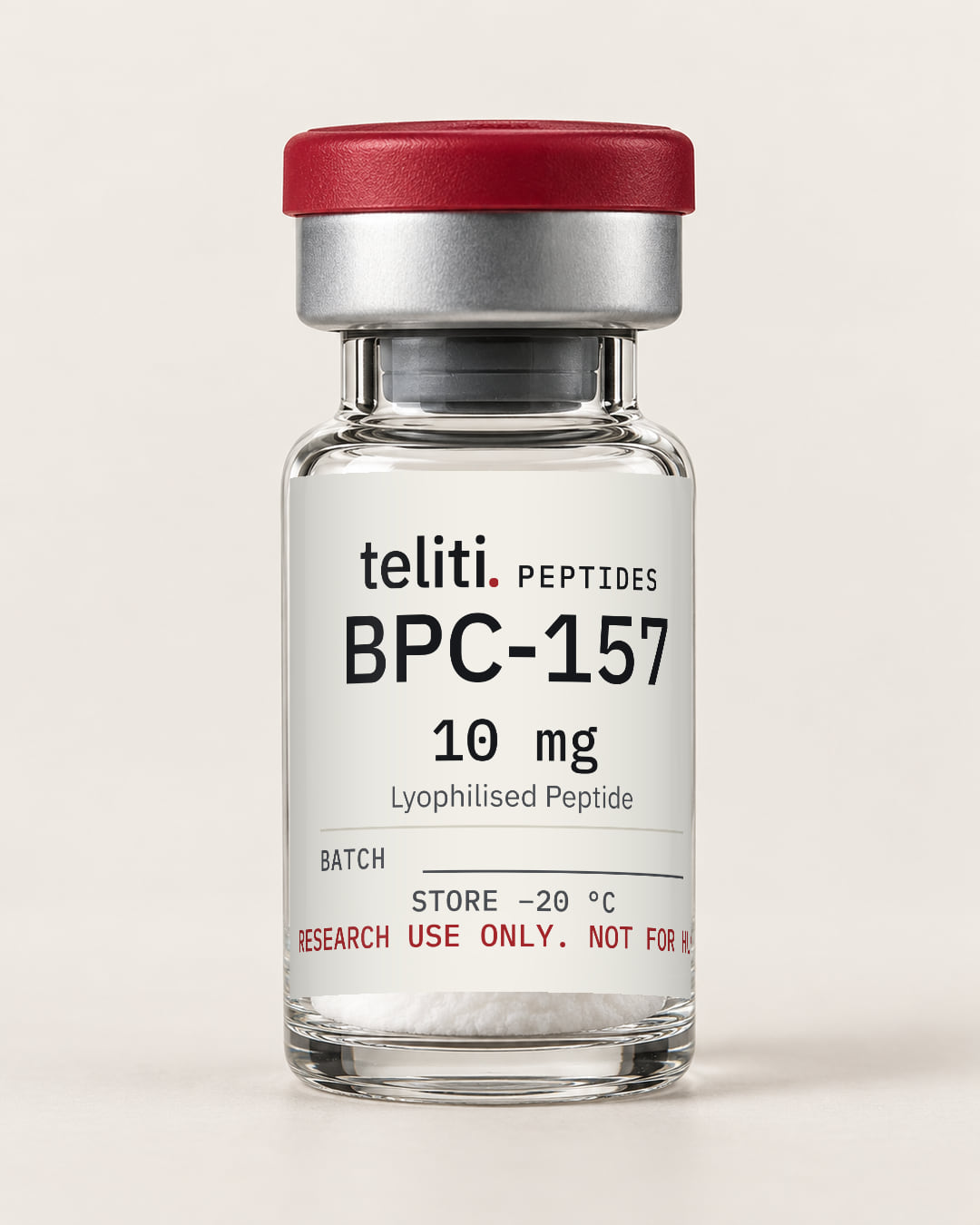
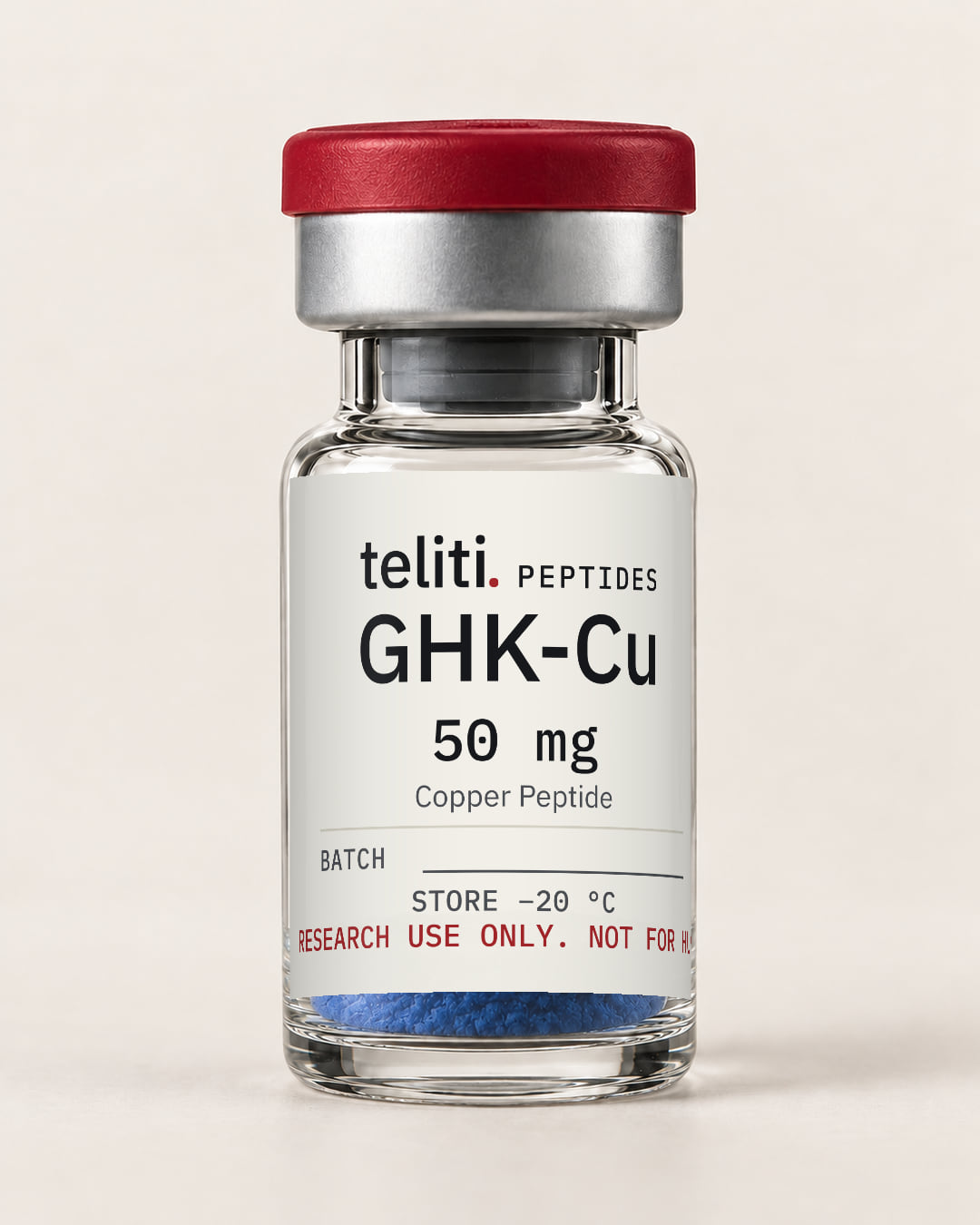
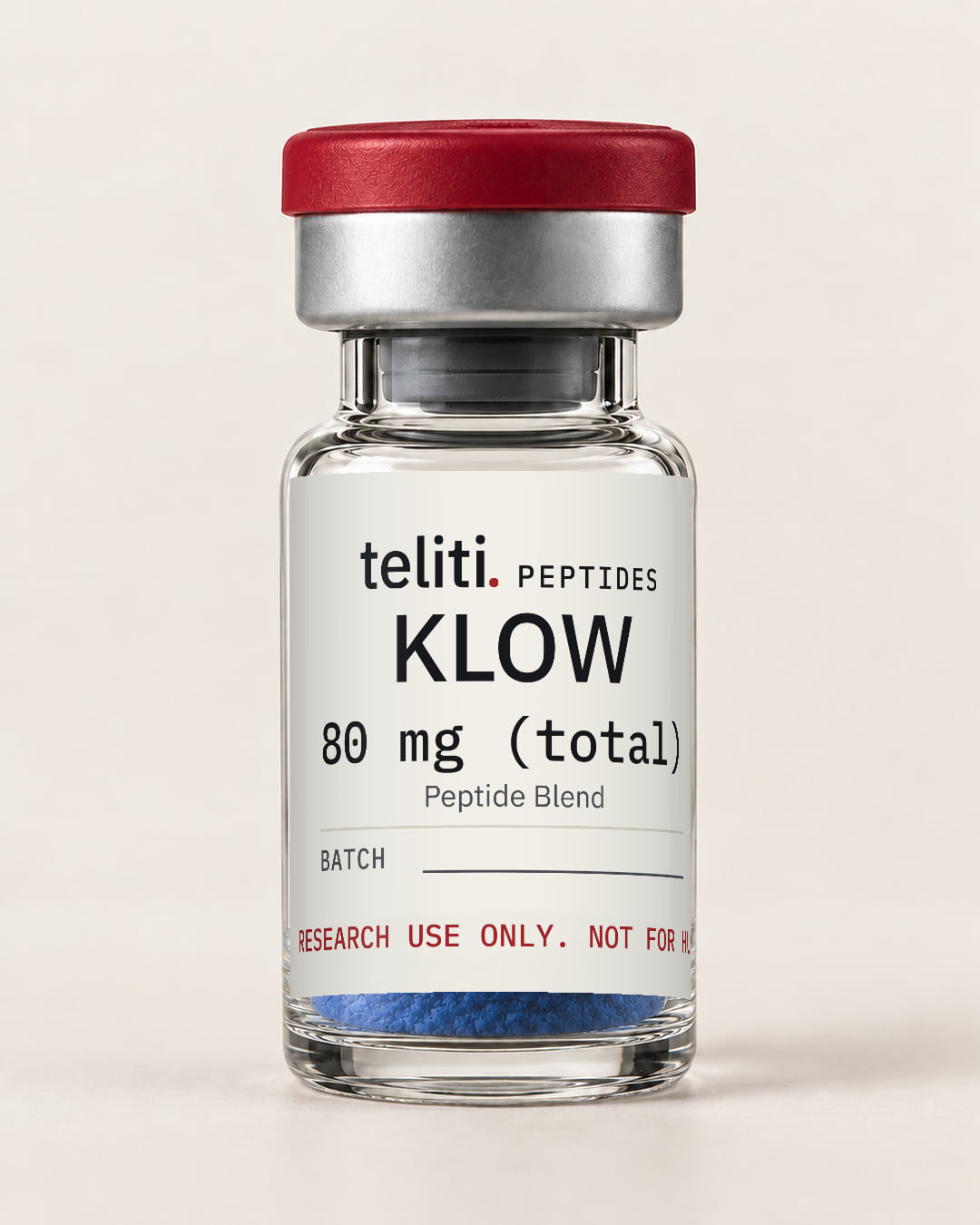
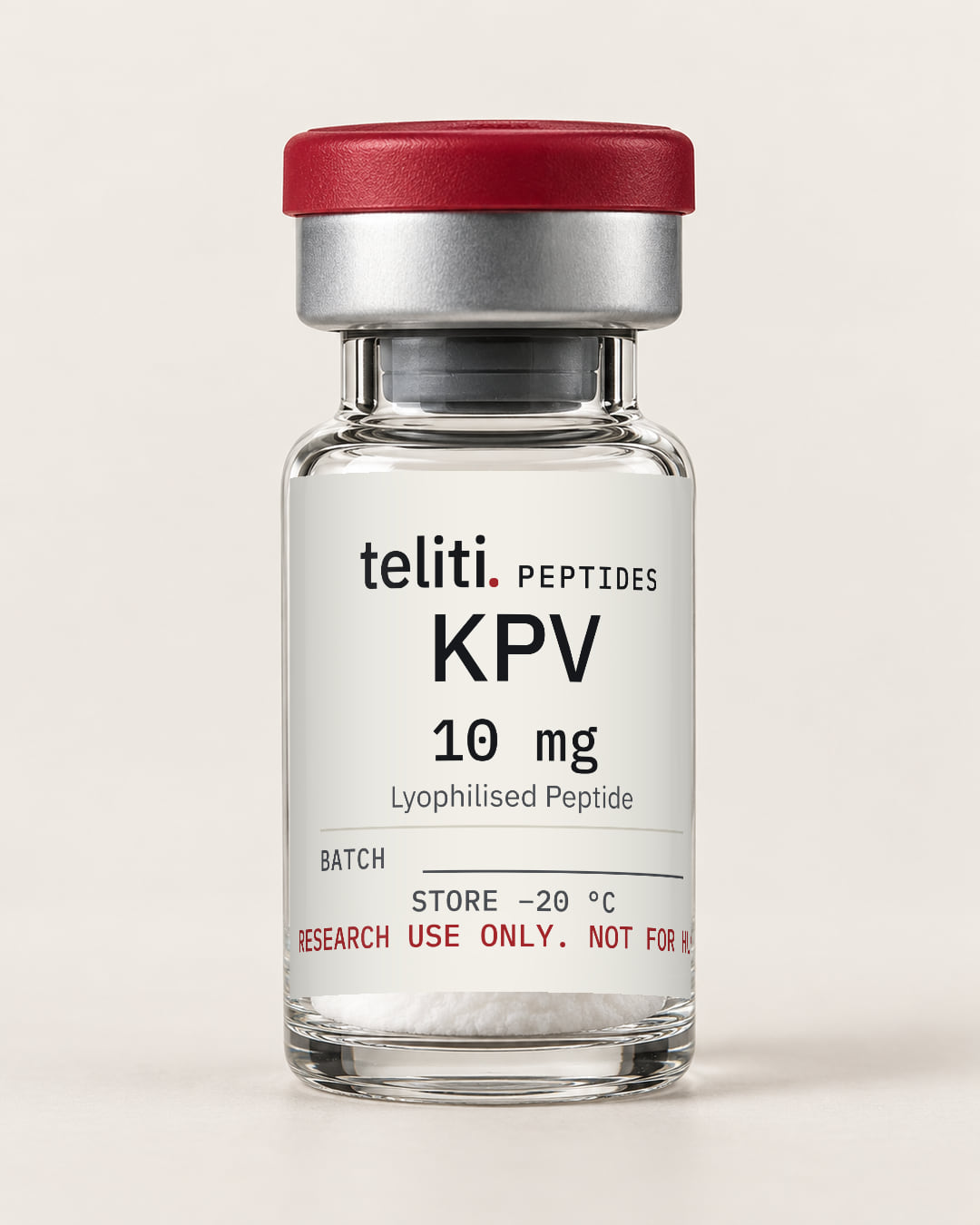
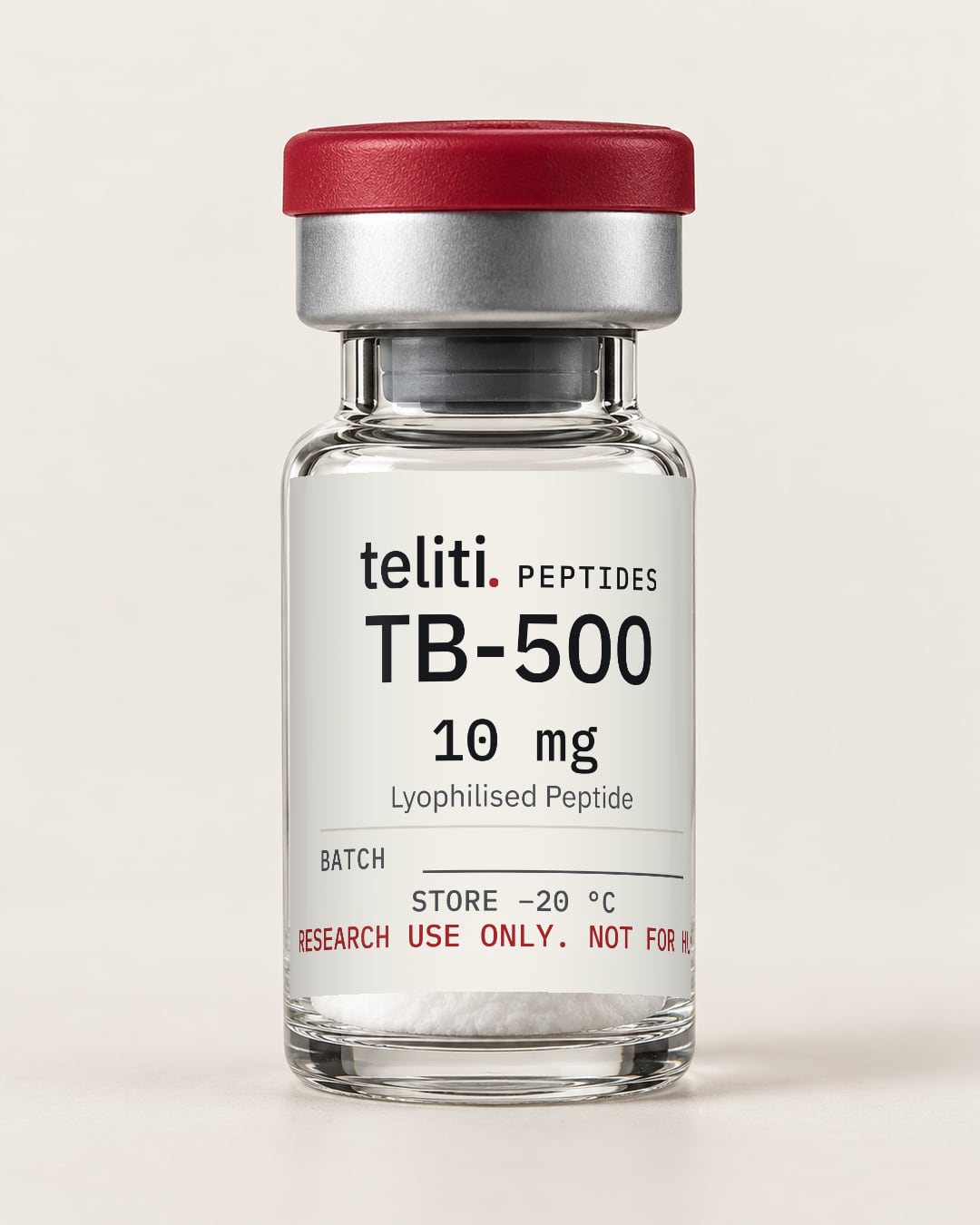
This category holds five products. BPC-157 is a 15-residue synthetic peptide derived from a gastric protein sequence and studied in rodent models of tendon, gut and vascular injury. TB-500 is a supplier name: the identity data describe thymosin beta-4, a 43-residue actin-binding protein, and the page notes that products sold under the name may be a shorter fragment, which only a certificate can settle. GHK-Cu is the copper complex of a naturally occurring tripeptide studied in skin and wound biology. KPV is the C-terminal tripeptide of alpha-melanocyte-stimulating hormone, studied in models of intestinal inflammation. KLOW is a supplier-defined blend of GHK-Cu, BPC-157, TB-500 and KPV, with no published study of the blend itself.
Each page lists sizes and prices, identity data, storage and linked studies. Read the BPC-157 and TB-500 comparison for how the two most studied compounds here differ.
Research and comparisons
-
Research summary
BPC-157: what the published research reports
BPC-157 is a synthetic 15-amino-acid peptide studied mainly in cell culture and rodent models of tissue injury. A 2025 review found only three small human pilot studies and called it investigational.
-
Comparison
BPC-157 vs TB-500: how they differ
BPC-157 is a defined 15-residue synthetic peptide. TB-500 is a supplier name: the biology is published for full-length thymosin beta-4, while one analysed TB-500 product was a seven-residue fragment.