3 compounds
Growth hormone secretagogue peptides for research
Growth hormone secretagogues are peptides that prompt the pituitary gland to release growth hormone. They work through two separate receptor systems. Analogues of growth hormone-releasing hormone (GHRH), such as tesamorelin and CJC-1295, act at the GHRH receptor. Ghrelin-receptor agonists, such as ipamorelin, act at the growth hormone secretagogue receptor (GHS-R1a). Because the two routes are distinct, research often studies them side by side or in combination.

Growth hormone secretagogues: side by side
| CJC-1295 + Ipamorelin Peptide Blend | Ipamorelin Lyophilised Peptide | Tesamorelin Lyophilised Peptide | |
|---|---|---|---|
| Form | Lyophilised powder | Lyophilised powder | Lyophilised powder |
| Sizes | 5 mg + 5 mg, 10 mg + 10 mg | 10 mg | 10 mg, 20 mg |
| Price | RM 150–265 | RM 130 | RM 165–255 |
| Molecular weight | — | 711.9 g/mol | 5,135.9 g/mol |
| CAS number | — | 170851-70-4 | 218949-48-5 |
| Certificate published | Not yet | Not yet | Not yet |
About growth hormone secretagogues
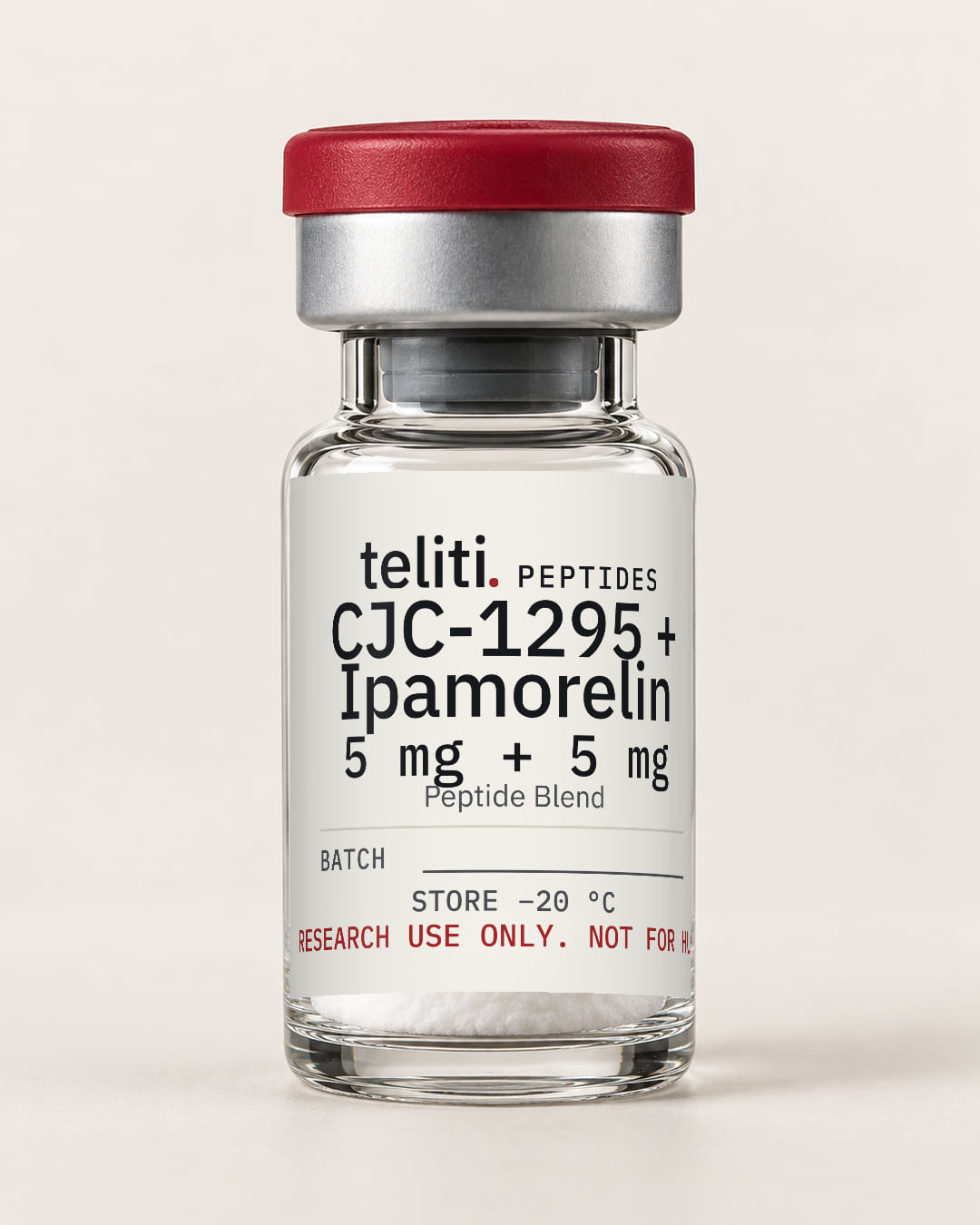
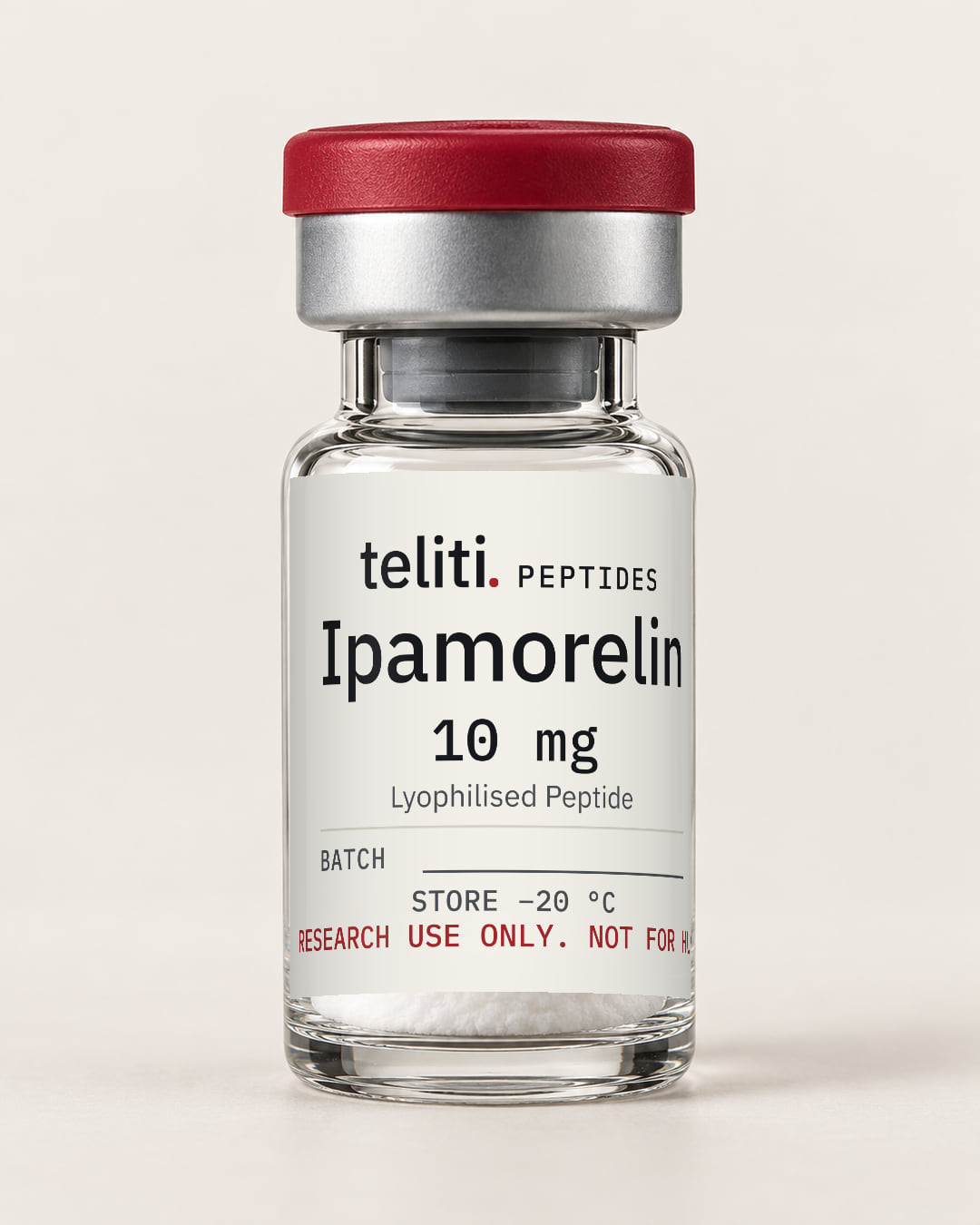
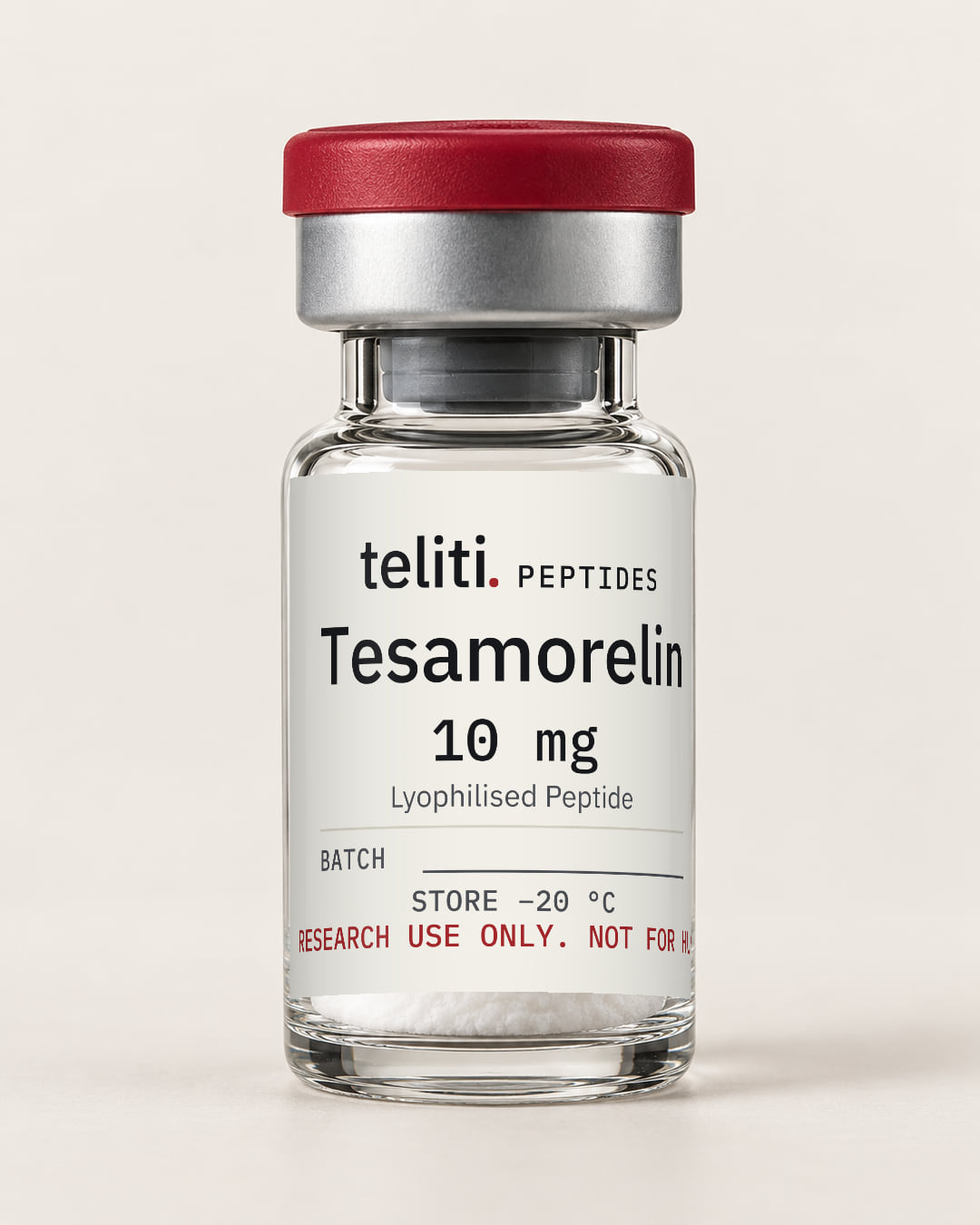
This category holds three products. Tesamorelin is a stabilised GHRH analogue of 44 amino acids with an extensive clinical record and an approved prescription use in the United States. Ipamorelin is a pentapeptide described in the literature as a selective ghrelin-receptor agonist. The CJC-1295 and ipamorelin blend combines a GHRH analogue (CJC-1295 without the drug affinity complex) with ipamorelin in one vial; each component is documented on its own, and no study of the fixed combination is cited.
Every page lists the vial sizes with prices and stock, identity data, supplier storage figures and the published studies, linked by DOI or PubMed. The research summaries compare what each compound has been tested for and how. All products are for laboratory research use only.
Research and comparisons
-
Research summary
Tesamorelin: what the published research reports
Tesamorelin is a stabilised analogue of growth hormone-releasing hormone that stimulates growth hormone release from the pituitary. Its evidence comes mainly from randomised trials in people with HIV, where it has an approved use in the United States.