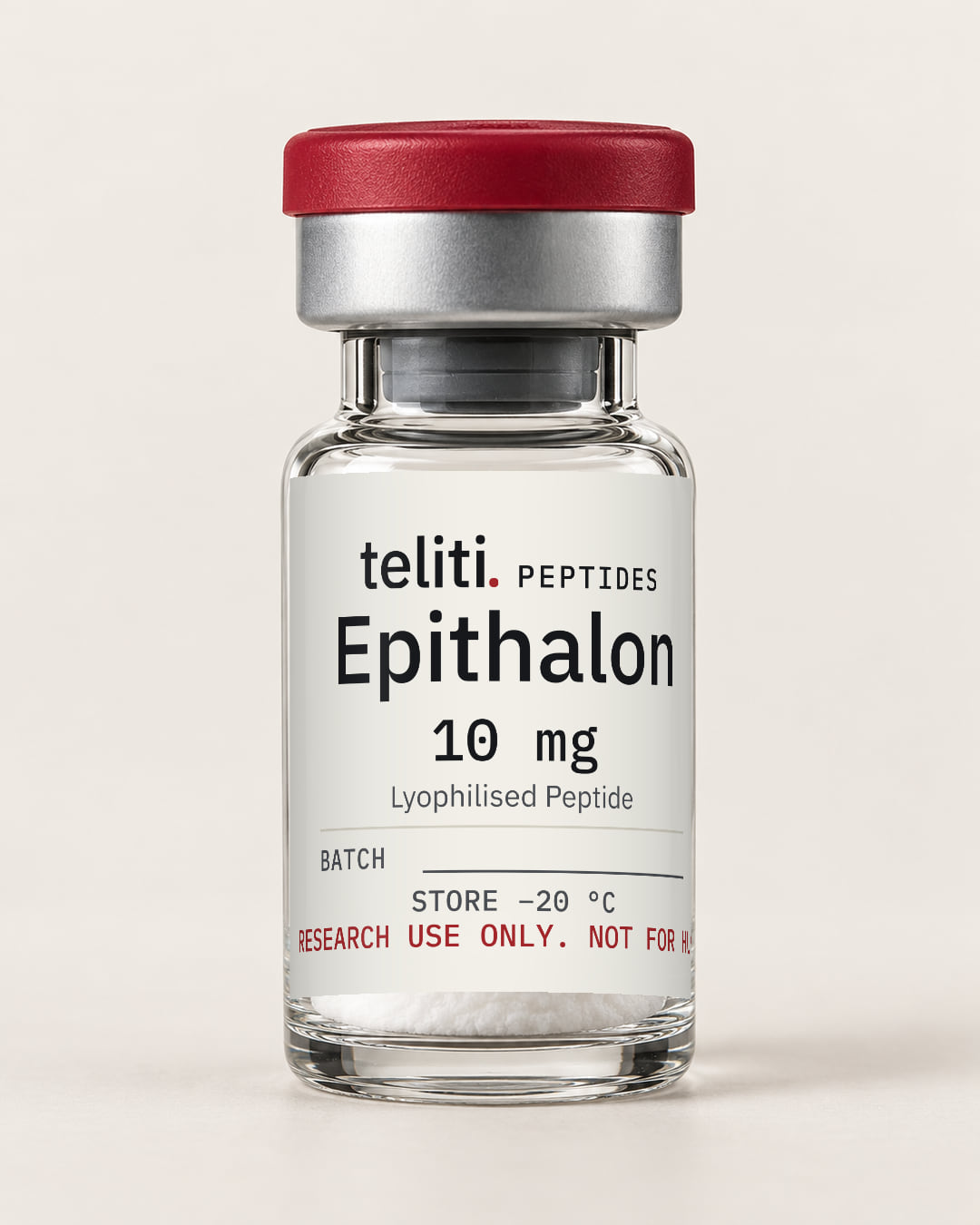
2 compounds
Bioregulator peptides: epithalon and thymalin
Bioregulator peptides are short peptides and peptide preparations described by Vladimir Khavinson and colleagues at the St Petersburg Institute of Bioregulation and Gerontology. The term comes from that group's work, which proposes that very short peptides influence gene expression in the tissues they were first isolated from. Most of the published evidence comes from this one research group, much of it in Russian-language journals, and independent replication is limited. Each compound page says so next to the studies it cites.

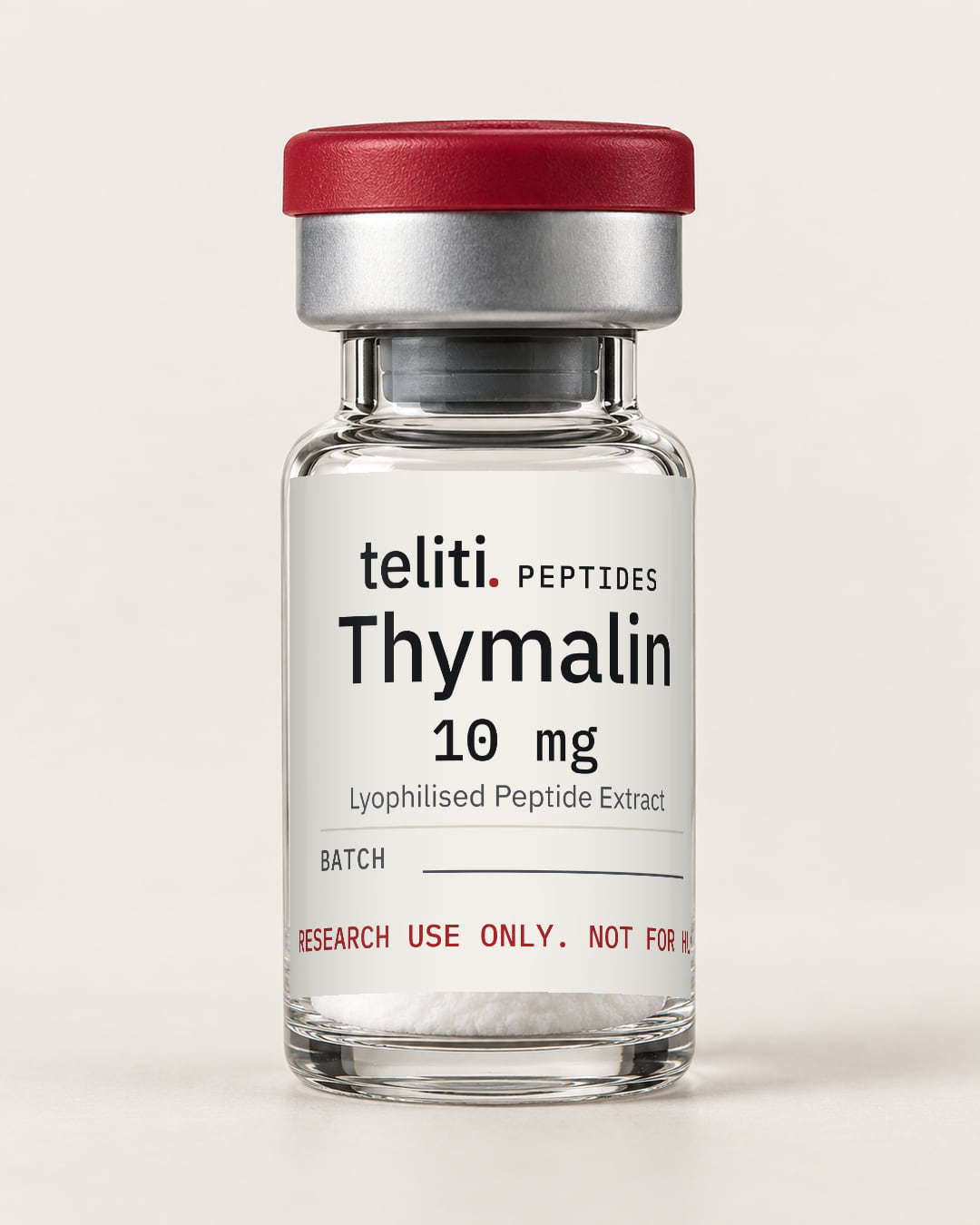
Bioregulator peptides: side by side
| Epithalon Lyophilised Peptide | Thymalin Lyophilised Peptide Extract | |
|---|---|---|
| Form | Lyophilised powder | Lyophilised powder |
| Sizes | 10 mg, 50 mg | 10 mg |
| Price | RM 140–340 | RM 160 |
| Molecular weight | 390.4 g/mol | — |
| CAS number | 307297-39-8 | — |
| Certificate published | Not yet | Not yet |
About bioregulator peptides
This category holds two products. Epithalon, also spelled epitalon, is a synthetic tetrapeptide (Ala-Glu-Asp-Gly) modelled on a pineal gland preparation and studied in cell culture and animal models of ageing, including telomerase activity in cultured cells. Thymalin is a polypeptide preparation extracted from calf thymus and classed as a thymic immunomodulator; because it is an extract rather than a single defined peptide, it has no CAS number or single structure, and its page leaves those fields empty rather than guessing.
Every page lists the vial sizes with prices and stock, available identity data, and the cited studies, linked by PubMed record or DOI. Both products are for laboratory research use only.