Legal status of research peptides in Malaysia
What the Sale of Drugs Act 1952, the Control of Drugs and Cosmetics Regulations 1984, the Poisons Act 1952 and the Ministry of Health have published, with every source linked.
Updated 26 October 2026

Summary
This page sets out what Malaysian regulators have published that bears on research peptides. It quotes or summarises each source and links to it. It is not legal advice.
Registration of medicines
Under the Sale of Drugs Act 1952, a "drug" is defined by its intended, capable or claimed use on humans or animals for a medicinal purpose, and a medicinal purpose includes treating or preventing disease and controlling body weight. Under regulation 7(1) of the Control of Drugs and Cosmetics Regulations 1984, a product that is a drug for a medicinal purpose may not be sold, supplied, imported or possessed unless it is registered with the Drug Control Authority and the person holds the right licence. Breaching the Regulations is an offence.
The Ministry of Health statement on retatrutide (28 August 2026)
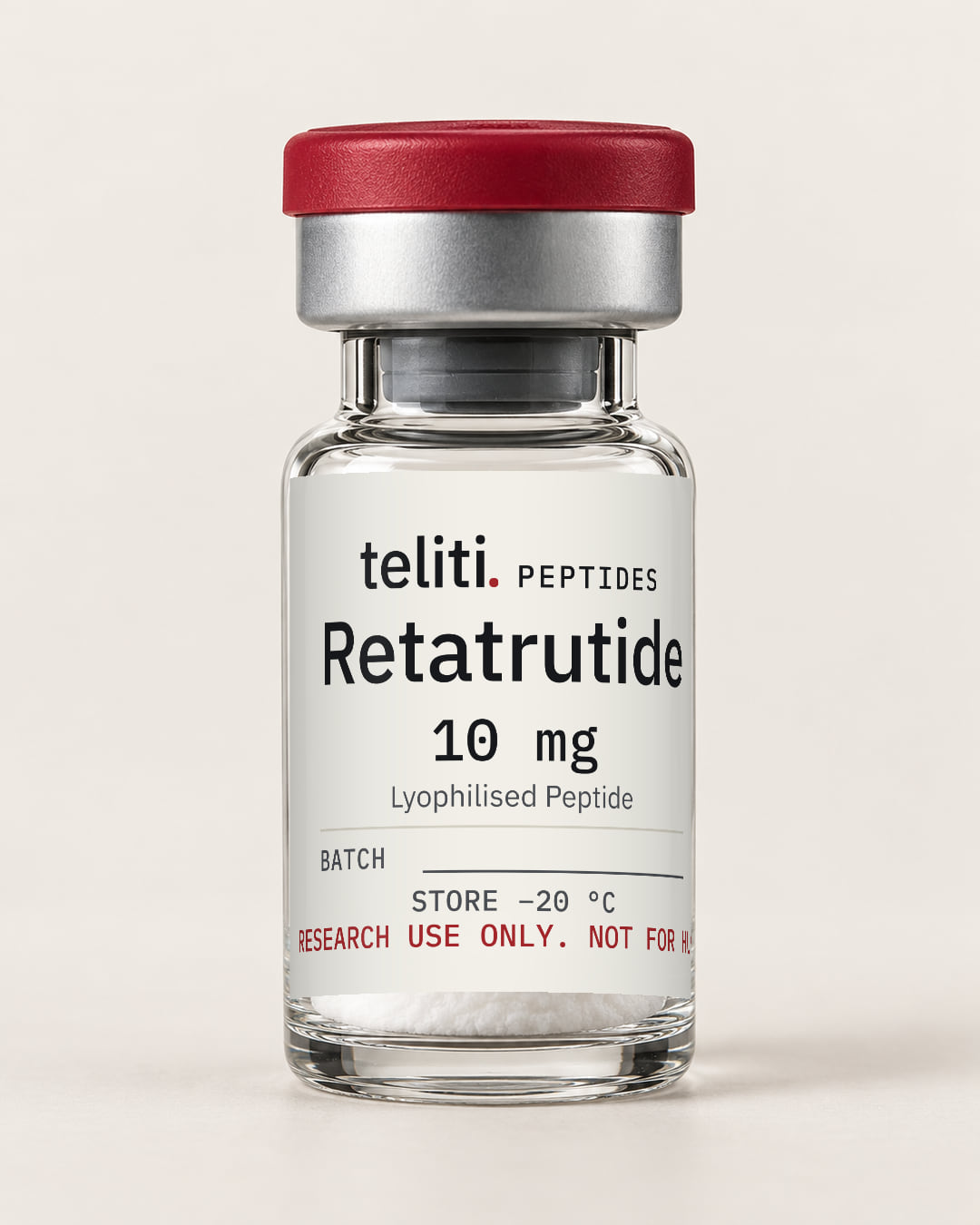
The Ministry of Health said that, as of 17 August 2026, no product containing retatrutide was registered with the Drug Control Authority for use in Malaysia, and described retatrutide as an investigational medicine in phase 3 trials, not approved by any regulator. It warned that selling unregistered medicines is an offence under the Sale of Drugs Act 1952. The statement was reported by Bernama and The Star; the original page on the Ministry's site could not be retrieved when this was checked.
Tirzepatide
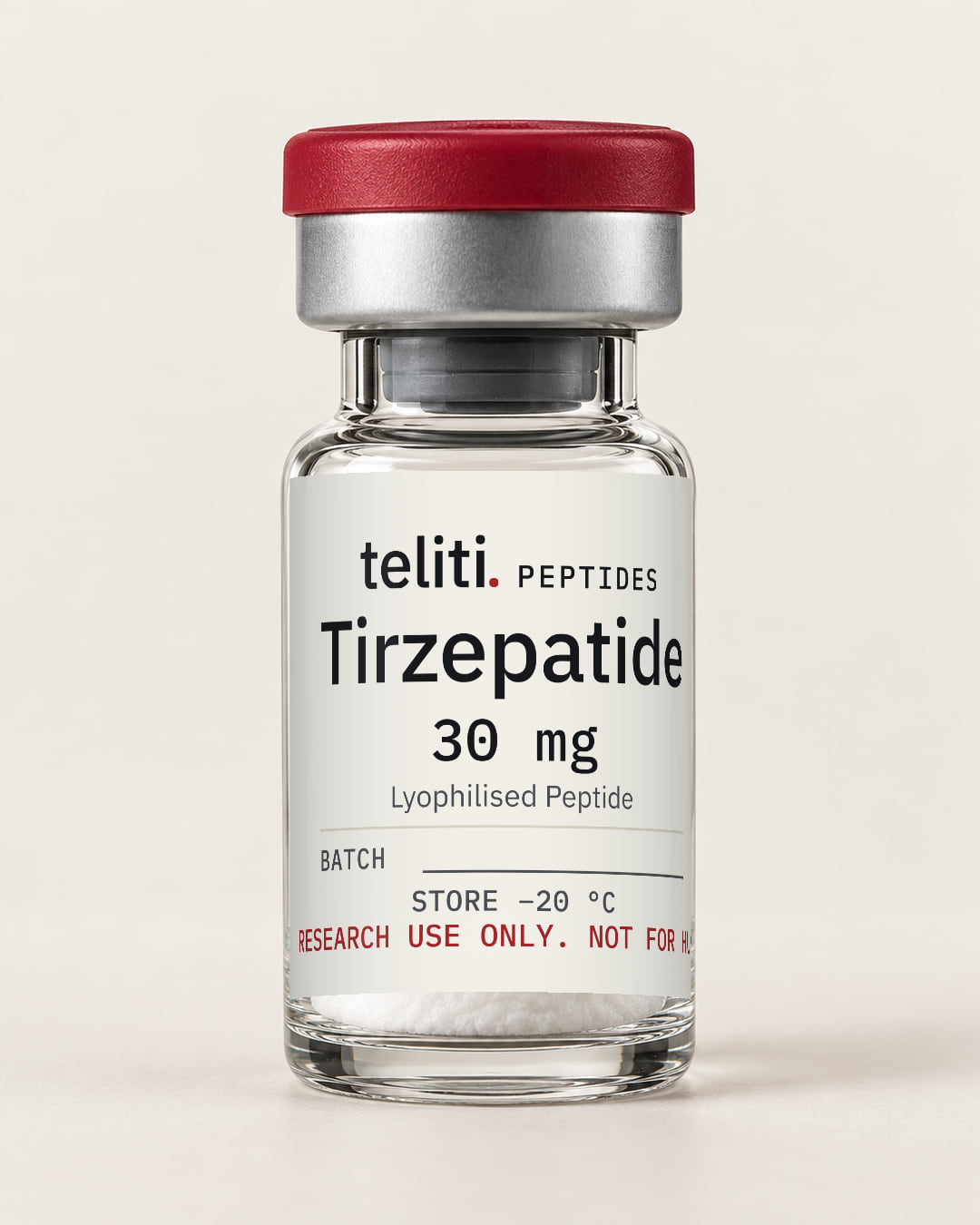
The Drug Control Authority registered Mounjaro KwikPen, a tirzepatide product, in July 2025. That registration covers that branded product.
Penalties, as published
The sources give penalties in different forms, and they are attributed here rather than merged. Section 12 of the Sale of Drugs Act 1952 sets fines of up to RM25,000 or up to 3 years' imprisonment or both for an individual's first offence, and up to RM50,000 for a body corporate. The Ministry's statement on retatrutide, as reported, cited fines of up to RM50,000 for a first offence and RM100,000 for a repeat offence.
The Poisons List
The Poisons Act 1952 applies to substances named in the Poisons List. The 2023 version checked here names semaglutide and liraglutide, and does not name tirzepatide, retatrutide, BPC-157 or GHK-Cu. Later amendments were not checked.
Research-use labelling
No Ministry of Health or NPRA statement, regulation or guideline on "research use only" or "not for human consumption" labelling was found. The definitions above turn on a product's intended, capable or claimed medicinal use.
How this page is kept
The sources below were checked on 27 October 2026. This page is updated when the Ministry or NPRA publishes something new. To check whether a product is registered, use NPRA's product search.
Sources
-
Section 2 defines a drug by its intended, capable or claimed use on humans or animals for a medicinal purpose, which includes treating or preventing disease and controlling body weight. Section 12 sets the general penalties.
Sale of Drugs Act 1952 (Act 368), incorporating all amendments up to P.U.(B) 68/2025. Pharmaceutical Services Programme, Ministry of Health Malaysia, 2025. Source
-
Regulation 7(1) bars manufacturing, selling, supplying, importing or possessing a product (a drug for a medicinal purpose) unless it is registered and the person holds the right licence. Regulation 30 makes a breach an offence.
Control of Drugs and Cosmetics Regulations 1984 (P.U.(A) 223/1984), incorporating latest amendment P.U.(A) 257/2014. Pharmaceutical Services Programme, Ministry of Health Malaysia, 1984. Source
-
States the penalties for an individual under the Control of Drugs and Cosmetics Regulations 1984: up to RM25,000 or 3 years or both for a first offence, and up to RM50,000 or 5 years or both after that.
Penalty (Pharmaceutical Services Programme page on offences under the Control of Drugs and Cosmetics Regulations 1984). Pharmaceutical Services Programme, Ministry of Health Malaysia, 2020. Source
-
Section 13 makes it an offence to possess for sale, sell or supply a poison other than as the Act allows. A poison is a substance named in the Poisons List.
Poisons Act 1952 (Act 366, Revised 1989), incorporating the Poisons (Amendment) Act 2025. Pharmaceutical Services Programme, Ministry of Health Malaysia, 2025. Source
-
This version of the Poisons List names semaglutide and liraglutide. Tirzepatide, retatrutide, BPC-157 and GHK-Cu do not appear by name in it; later amendments were not checked.
Poisons List (First Schedule to the Poisons Act 1952), updated per P.U.(A) 306/2023. Pharmaceutical Services Programme, Ministry of Health Malaysia, 2023. Source
-
Reports the MOH statement of 28 August 2026: as of 17 August 2026 no retatrutide product was registered with the Drug Control Authority, and selling unregistered medicines is an offence under the Sale of Drugs Act 1952.
MOH Warns Against Unregistered 'Weight-loss Pens'. Bernama, reporting a Ministry of Health, 2026. Source
-
Corroborates the MOH statement: retatrutide unregistered as of 17 August 2026, described as investigational, and fines of up to RM50,000 for a first offence and RM100,000 for a repeat offence as reported.
Ministry: No to 'Reta pens'. The Star, reporting the MOH statement, 2026. Source
-
The Drug Control Authority registered Mounjaro KwikPen (tirzepatide) in six strengths on 3 July 2025, registration holder Zuellig Pharma; the list does not state the approved indication.
List of new drug products registered by the DCA in 2025 (Senarai Produk Ubat Baru yang Didaftarkan oleh PBKD 2025), meeting PBKD 410 of 3 July 2025. National Pharmaceutical Regulatory Agency, 2025. Source
-
NPRA regulates products with a medicinal or health claim, by reference to the medicinal-purpose definition in the Sale of Drugs Act 1952; the guideline does not mention research-use or not-for-human-consumption labelling.
Product Classification Guideline - Drugs or Food Products. National Pharmaceutical Regulatory Agency, 2026. Source