Lab guide
Storing lyophilised and reconstituted peptides
Sealed, freeze-dried peptides are usually kept frozen, at −20 °C, away from light. Once dissolved, the published supplier inserts cited here mostly advise against storing the solution for more than a day.
Sealed vials
Lyophilised (freeze-dried) peptides are more stable dry than in solution. The supplier inserts cited on the product pages here give −20 °C as the storage temperature for most sealed compounds, and several state stability of at least four years at that temperature for their own material. Keep vials sealed, dry and away from light until use.
After reconstitution
Once a peptide is dissolved, it is more exposed to breakdown. Many of the supplier inserts cited on the product pages say they do not recommend storing the aqueous solution for more than one day. Laboratories that keep a reconstituted vial longer usually refrigerate it at 2–8 °C, avoid repeated freezing and thawing, and use a diluent with a preservative, such as bacteriostatic water, for vials drawn from more than once.
Why the diluent matters
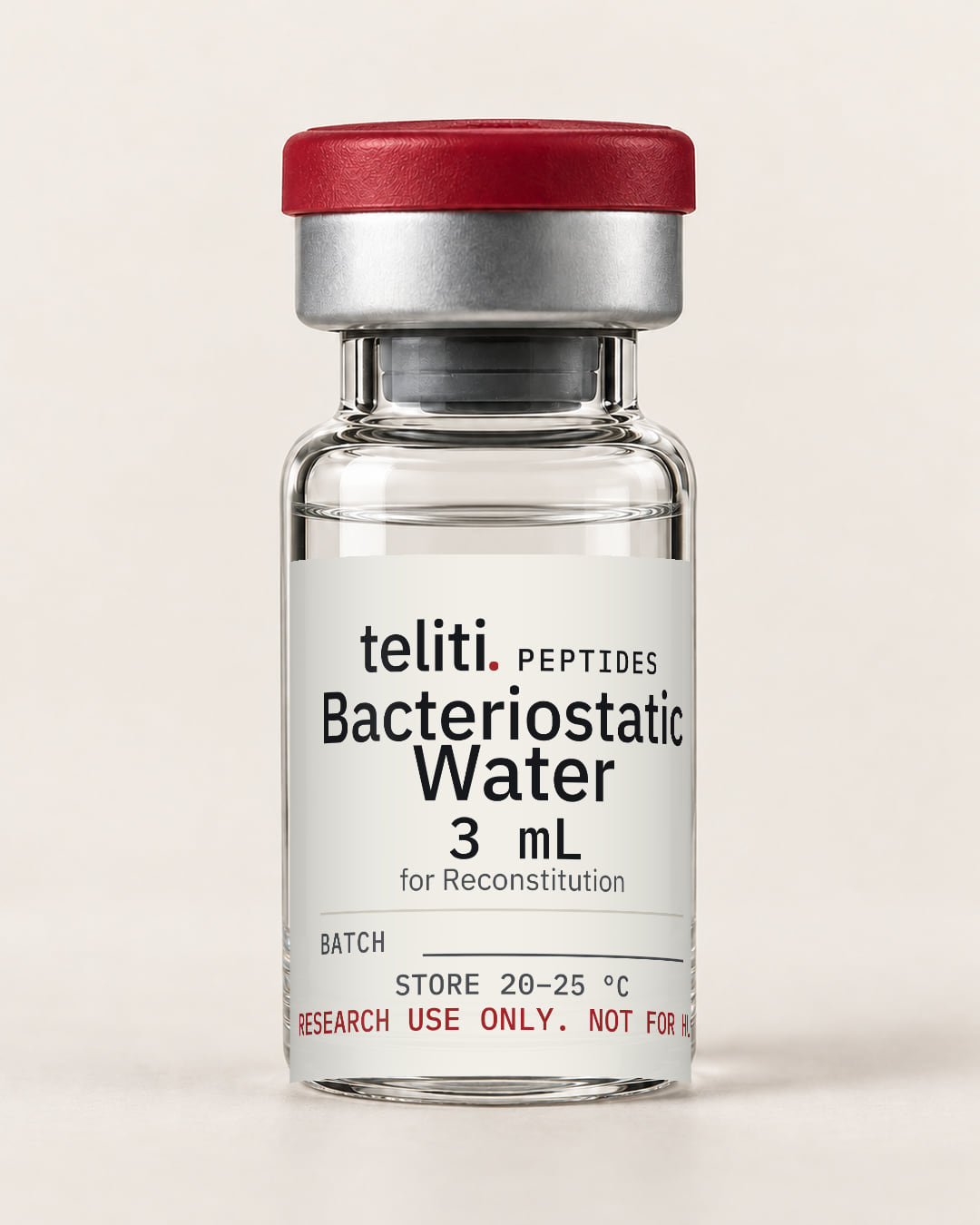
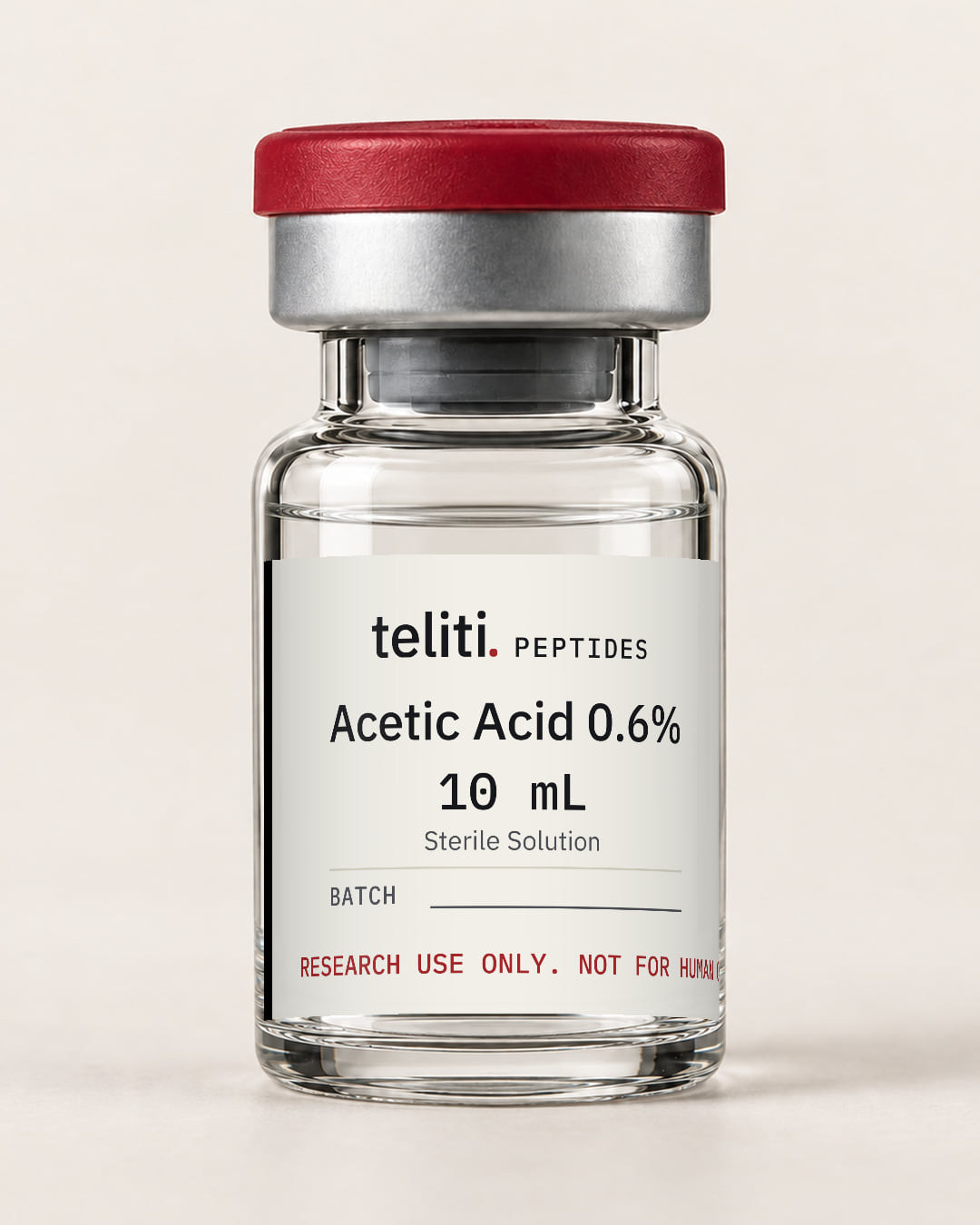
Bacteriostatic water contains 0.9% benzyl alcohol, a preservative that limits microbial growth between withdrawals. Some peptides dissolve poorly at neutral pH and need an acidic diluent such as acetic acid 0.6%.
Where the figures come from
Each product page lists its storage figures with the source, usually the supplier's product insert. The certificate of analysis for a batch takes precedence when it states something different. See testing and quality.