Lab guide
Peptide reconstitution arithmetic, worked through
Concentration is the amount of peptide divided by the volume of diluent. Everything else in reconstitution arithmetic follows from that one division, as the worked examples below show.
The one formula
When a lyophilised vial is dissolved, the concentration of the solution is the amount of peptide in the vial divided by the volume of diluent added.
concentration = amount in vial ÷ volume of diluent
A vial holding 10 mg, dissolved in 2 mL, gives 10 ÷ 2 = 5 mg per mL. In micrograms, 5 mg/mL is 5,000 mcg/mL, because 1 mg is 1,000 mcg.
Working backwards
To find the volume that holds a given amount, divide the amount by the concentration.
volume = amount wanted ÷ concentration
At 5 mg/mL, a 250 mcg (0.25 mg) portion is 0.25 ÷ 5 = 0.05 mL.
Units on a 1 mL syringe
Insulin-style syringes are often marked in units, where 100 units = 1 mL, so 1 unit = 0.01 mL. The 0.05 mL above is 5 units. Check the syringe's own scale: not every syringe uses 100 units per mL.
Worked examples
| Vial | Diluent | Concentration | Volume for 0.5 mg |
|---|---|---|---|
| 5 mg | 1 mL | 5 mg/mL | 0.1 mL (10 units) |
| 10 mg | 2 mL | 5 mg/mL | 0.1 mL (10 units) |
| 10 mg | 3 mL | 3.33 mg/mL | 0.15 mL (15 units) |
| 30 mg | 3 mL | 10 mg/mL | 0.05 mL (5 units) |
These are laboratory preparation figures, not doses.
The calculator
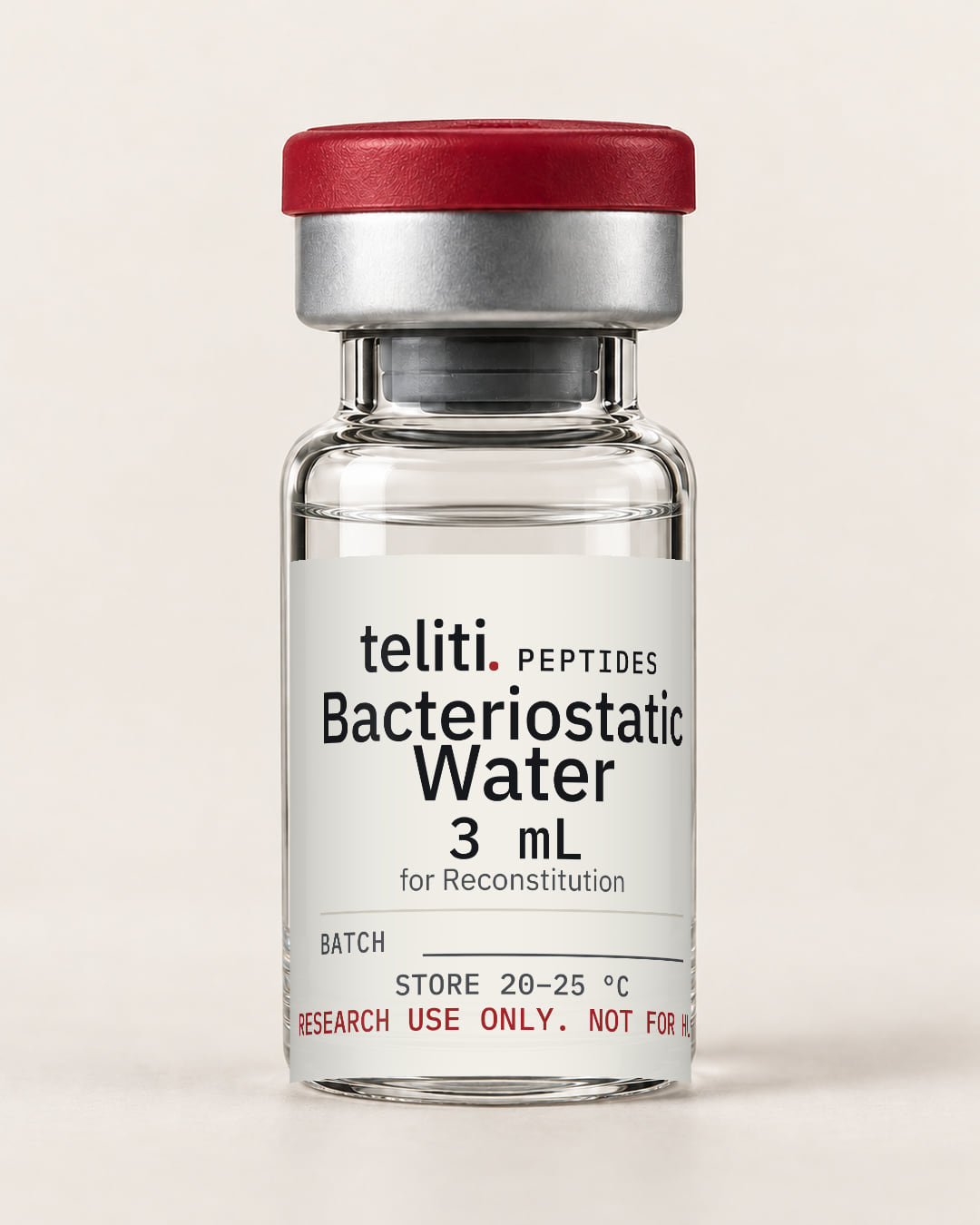
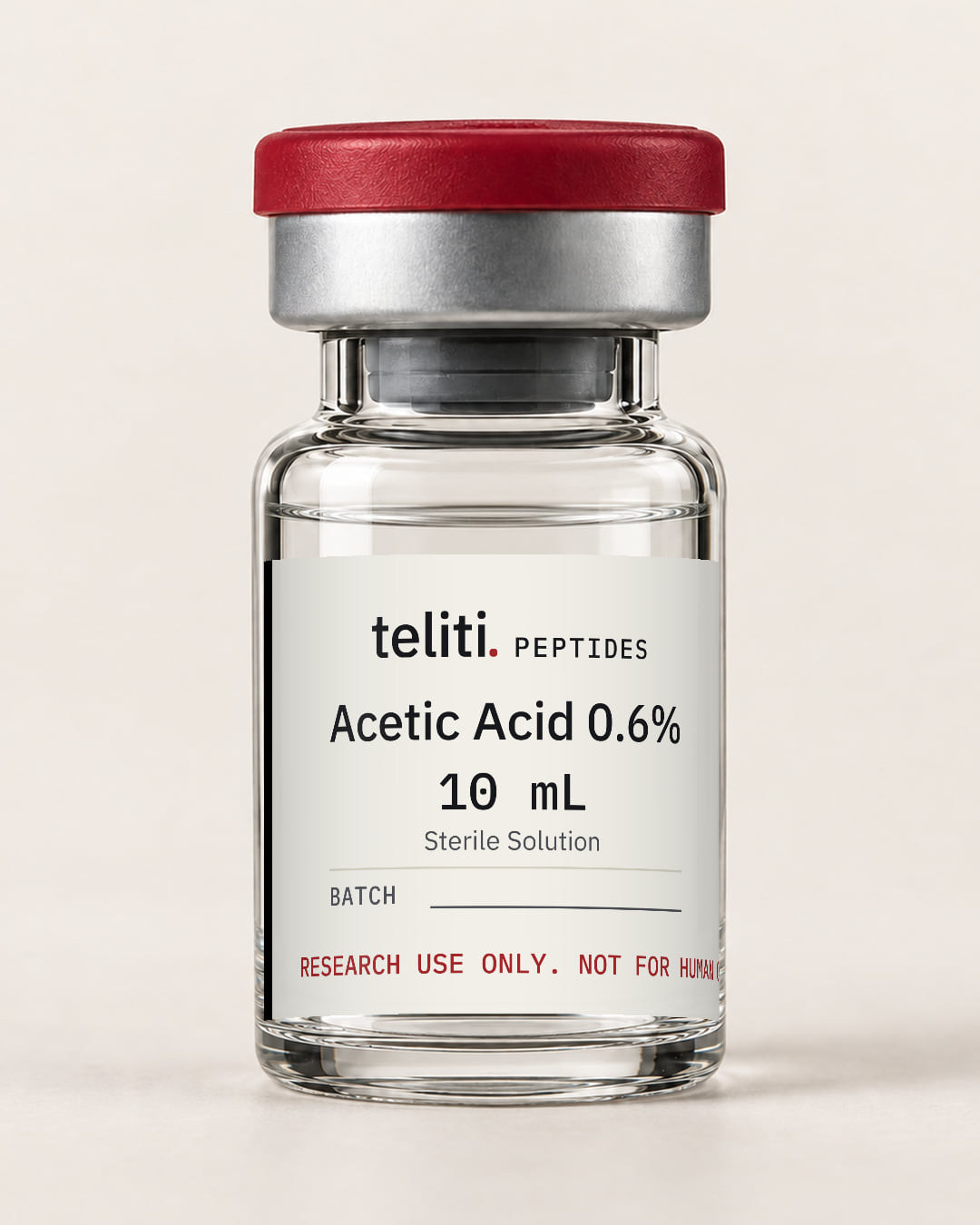
The reconstitution calculator does the same arithmetic and shows each step. The diluents are in lab supplies.